
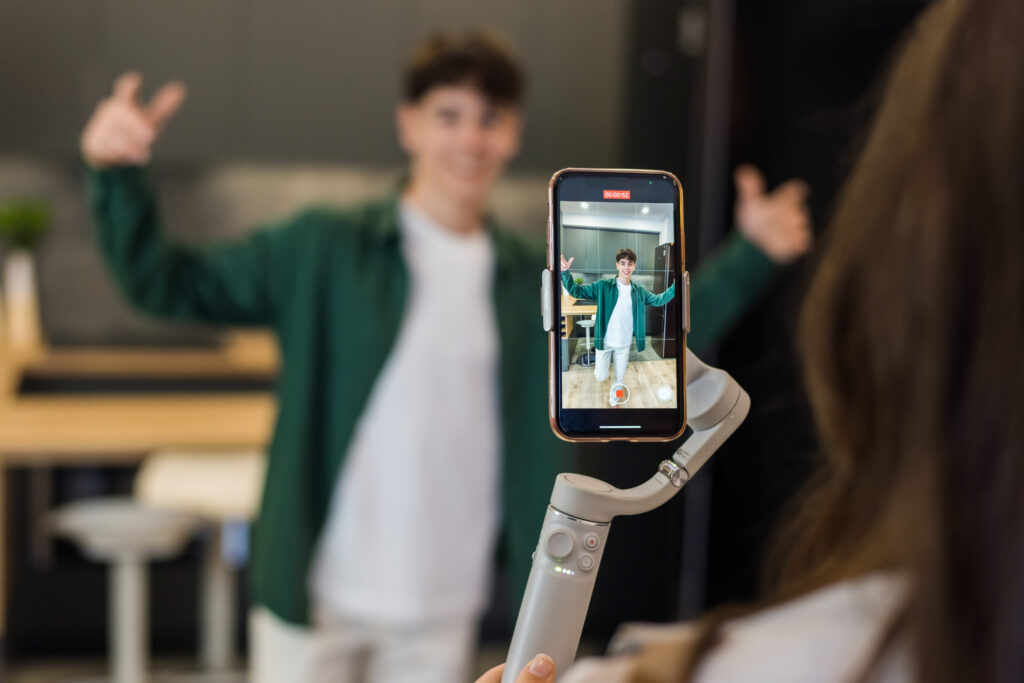
When it comes to marketing, most conversations today often center on algorithms, influencers, and short-form video. Although digital platforms undeniably play a role, assuming that Gen Zers can only be reached through social media is a costly oversimplification.
Marketing to Gen Z requires a deeper understanding of how this generation builds trust, evaluates brands, and makes purchasing decisions. However, despite growing up online, Gen Zers do not live exclusively behind screens. In fact, direct marketing—when executed thoughtfully—can be one of the most effective ways to connect with them on a human level.
This article examines why direct marketing remains effective for these people, how it aligns with their values, and teaches brands how to market to Gen Z by integrating face-to-face and experiential strategies into campaigns without appearing outdated or out of touch.
Key Takeaways
- Gen Zers value genuine human interaction over social media feeds.
- Direct marketing builds trust more quickly than digital ads.
- In-person experiences feel more authentic to Gen Z users.
- Two-way conversations outperform one-sided promotion.
- Direct strategies support long-term loyalty for Gen Zers.
Understanding Gen Z Beyond the Digital Stereotype
Gen Zers are often labelled as the “TikTok generation,” but this framing ignores specific nuances. While they are digitally fluent, they are also highly skeptical of polished online content. Constant exposure to ads, sponsored posts, and influencer promotions has sharpened their ability to filter out messaging that feels forced and inauthentic.
Unlike previous generations, Gen Zers grew up during a period of economic uncertainty, rapid technological change, and heightened social awareness. These experiences helped shape a generation that values transparency, real-world impact, and honest communication. They do not simply consume content; they take time to analyze it.
This mindset makes Gen Zers more selective about which brands they engage with and more receptive to interactions that feel personal, unscripted, and genuine.
Why Digital-Only Strategies Are Losing Impact
Social media saturation has created diminishing returns for many brands. As platforms become crowded, standing out requires larger budgets, constant content production, and ongoing algorithm adjustments. Even then, reach does not guarantee trust.
It’s no secret that Gen Z users are increasingly aware of how data is used to target them. Many actively limit ad exposure, skip sponsored content, or disengage when messaging feels overly curated from the get-go. While digital channels remain useful for awareness, they may struggle to build meaningful brand relationships on their own.
Direct marketing fills this gap by creating experiences rather than impressions.
What Direct Marketing Really Means Today
Direct marketing is often misunderstood as outdated methods, such as cold calls or aggressive sales pitches. In reality, direct marketing now focuses on human connection, not interruption.
It may include the following aspects:
- Face-to-face brand interactions
- Experiential marketing and live events
- Product demonstrations
- Community-based outreach
- One-on-one conversations with trained brand representatives
When done correctly, direct marketing creates space for dialogue, questions, and real-time feedback—something digital ads cannot replicate.
Gen Z Values Human Connection More Than You Think
Despite being digitally native, Gen Z consistently reports feelings of digital fatigue. Endless scrolling, constant notifications, and online performativity contribute to burnout and disengagement. This makes in-person experiences stand out as refreshing rather than intrusive.
Direct marketing provides:
- Honest conversations instead of scripted content
- Immediate answers instead of comment threads
- Emotional cues that build trust
- A sense of presence and authenticity
For Gen Z, human interaction can feel more credible than a perfectly edited video.
Authenticity Is Easier to Prove in Person
Believe it or not, Gen Zers have a finely tuned radar for authenticity. They value brands that are honest about who they are, what they stand for, and how they conduct their operations. In-person interactions make it harder to hide behind marketing language.
When a brand representative can explain a product clearly, answer tough questions, and acknowledge limitations, credibility increases. Transparency becomes visible, not just promised.
Direct marketing lets brands show values in action rather than relying on slogans or hashtags.
Two-Way Communication Builds Trust Faster
Traditional advertising speaks to audiences. Direct marketing speaks with them.
Most Gen Zers expect dialogue. They want to ask questions, challenge claims, and understand how a product or service fits into their lives. Here is where face-to-face interactions can create a collaborative dynamic that empowers the consumer.
This exchange also benefits brands. Real-time conversations reveal objections, motivations, and feedback that rarely surface through digital analytics alone. These insights can inform future messaging, product development, and customer experience strategies.
Experiential Marketing Creates Memorable Brand Moments
Gen Zers are more likely to remember experiences than ads. Direct marketing incorporates experiential elements that engage multiple senses and create emotional associations.
Examples include:
- Interactive pop-up events
- Live demonstrations
- Hands-on trials
- Community activations
- Campus or neighbourhood outreach
These turn brands into moments rather than messages. For a generation that values storytelling and individuality, memorable interactions leave a better impression than passive consumption.
Personalization Without Data Overload
Digital personalization often relies on data tracking, which Gen Z increasingly views with suspicion. Direct marketing offers personalization without surveillance. A live conversation allows brand representatives to adapt messaging based on tone, interest level, and questions asked. This organic personalization feels respectful rather than invasive.
Instead of being targeted by an algorithm, Gen Z feels seen as an individual.
Building Brand Loyalty Through Real Relationships
Gen Zers are less loyal to brands by default, but deeply loyal once trust is established. Direct marketing speeds up this process by humanizing the brand. When consumers associate a brand with a positive personal interaction, loyalty becomes emotional rather than transactional. A meaningful conversation can influence purchasing decisions long after the interaction ends.
This relationship-driven approach aligns with Gen Zers’ preference for brands and businesses that feel like partners rather than advertisers.
Direct Marketing Supports Purpose-Driven Messaging
Gen Z expects brands to have values, but they also expect follow-through. Direct marketing allows brands to explain their mission in detail and show how it translates into action.
In-person conversations create space for nuanced discussions about sustainability, social impact, and ethical practices—topics that are often oversimplified online.
Rather than making broad claims, brands can demonstrate sincerity through knowledgeable representatives and transparent dialogue.
Integrating Direct and Digital for Maximum Impact
The most effective strategies do not pit direct marketing against digital channels—they combine them. Direct interactions can:
- Reinforce digital messaging
- Drive social sharing through real experiences
- Create content opportunities rooted in authenticity
- Strengthen conversion after initial online exposure
For example, a consumer might discover a brand online but decide to purchase after a positive in-person interaction. Direct marketing often plays a critical role in the consideration and trust-building stages of the buyer journey.
Why Direct Marketing Resonates in a Distrustful Marketplace
Trust is declining across generations, but Gen Zers are particularly cautious. They have grown up watching influencer scandals, misleading campaigns, and corporate performativity. Direct marketing cuts through skepticism by removing layers between the brand and the consumer.
When people can evaluate a brand face-to-face, trust becomes experiential rather than assumed. This transparency is especially valuable in industries where understanding the product or service requires explanation rather than a quick visual.
Training Matters More Than Tactics
Direct marketing only works when brand representatives are well-trained. Gen Z quickly disengages if interactions feel scripted, pushy, or uninformed.
Successful direct marketing teams prioritize:
- Active listening
- Product knowledge
- Emotional intelligence
- Adaptability
- Respectful communication
When representatives act as educators rather than salespeople, conversations feel collaborative and empowering.
Long-Term Brand Equity Over Short-Term Virality
TikTok trends fade quickly.
Viral moments rarely translate into lasting brand equity without deeper engagement. Direct marketing focuses on building long-term relationships rather than fleeting attention. For brands looking to grow sustainably with Gen Z, investing in human-centred strategies creates stronger foundations than chasing every new platform feature.
Main Takeaway
Marketing to Gen Z is all about striking a balance. While social media introduces brands, direct marketing fosters trust and belief. This generation values authenticity, transparency, and genuine connection. As digital fatigue grows and trust becomes harder to earn, brands that embrace human interaction will stand out—not as outdated, but as refreshingly real.
Stay Grounded
At Supreme Legacy Sales Solution, we can meet these expectations through a people-first approach to Gen Z market research. Our focus is real-world insights gathered through direct interactions and face-to-face engagement. By combining consumer feedback with strategic analysis, we help brands translate authentic conversations into actionable marketing strategies.
Partner with us for direct marketing strategies that actually build trust.